
Registrierung ist deaktiviert
======================== ENGLISH ========================

The Cradle of Styria
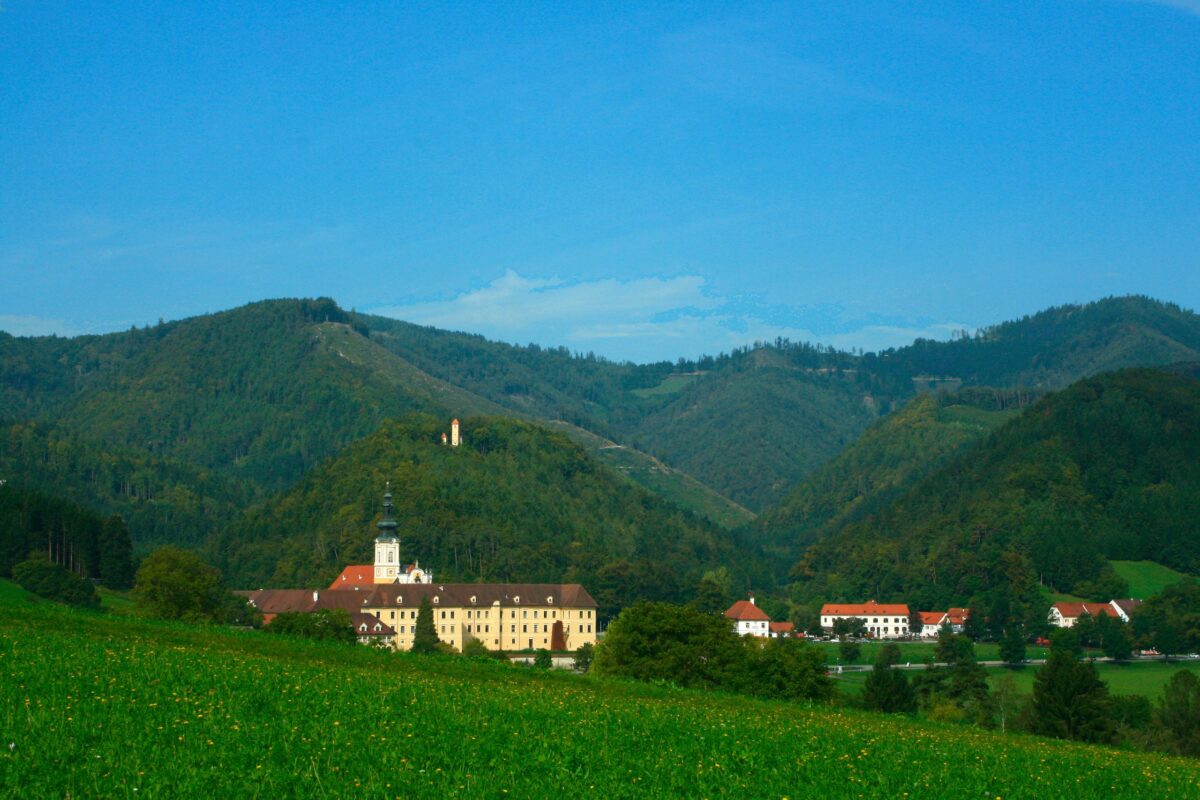
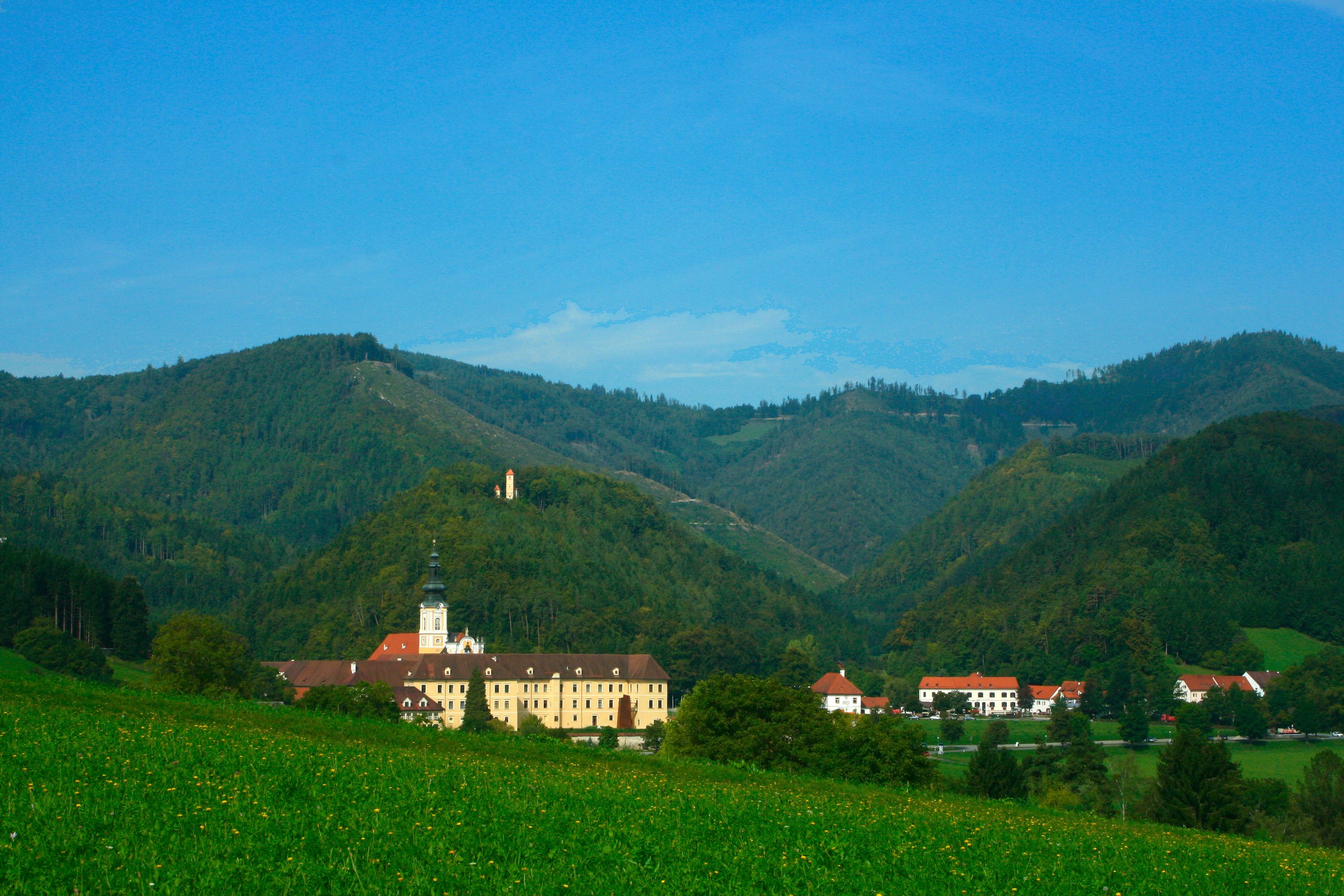
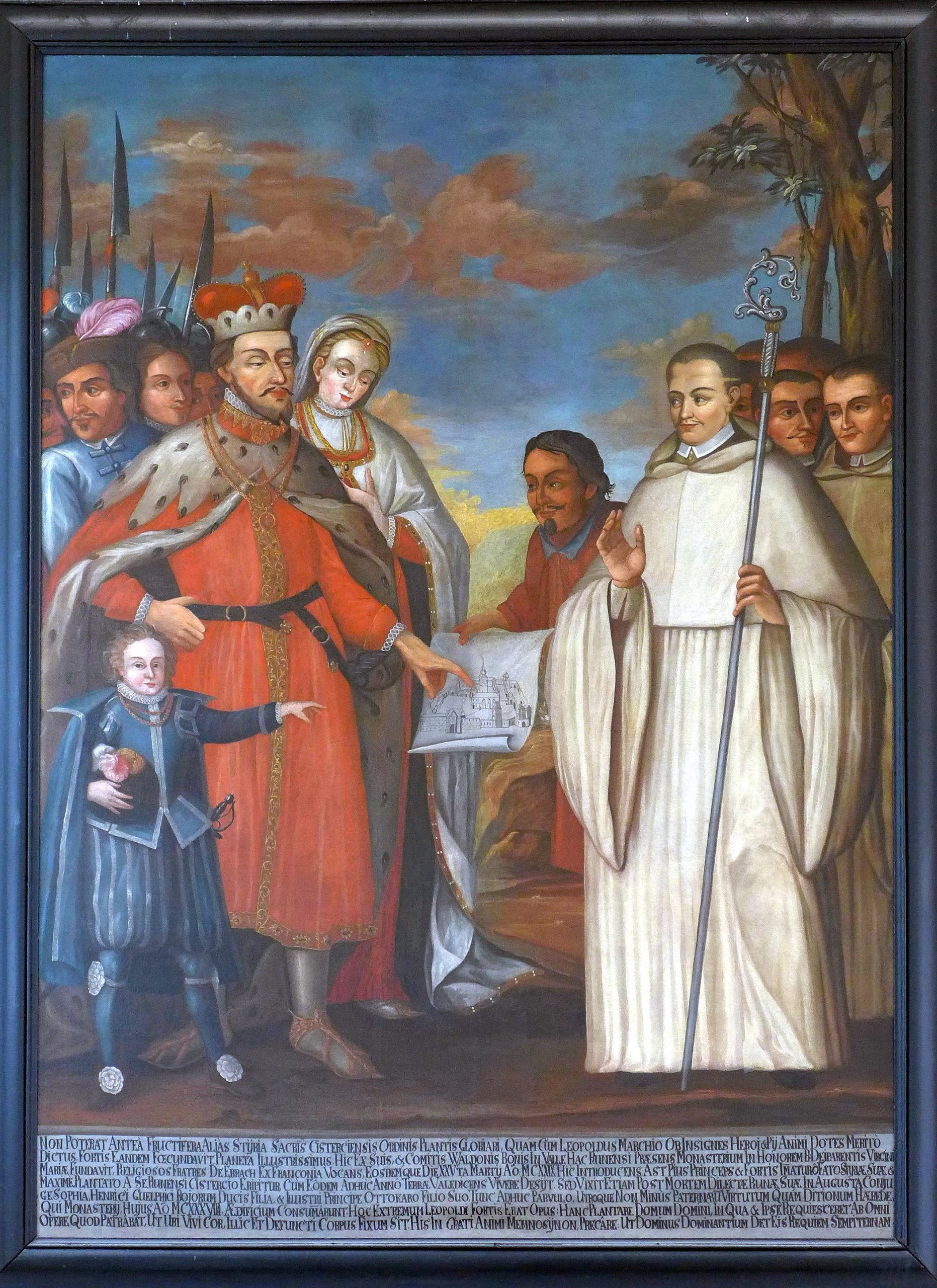
Stift Rein is located 20 minutes north of Graz, the provincial capital, and is regarded as the cradle of Styria. The monastery was founded in 1129 by an abbot and 12 monks who had journeyed from Bavaria. They dedicated themselves to prayer and work („Ora et labora” according to the Rule of St Benedict) and quickly developed Rein into a spiritual, intellectual, and economic centre.
Over its almost 900-year history, the abbey has shaped the region: architectural traces from all eras bear witness to this, as do the more than 100,000 documents and manuscripts that record the history of our land. Today, Rein is the oldest continuously inhabited Cistercian monastery in the world.
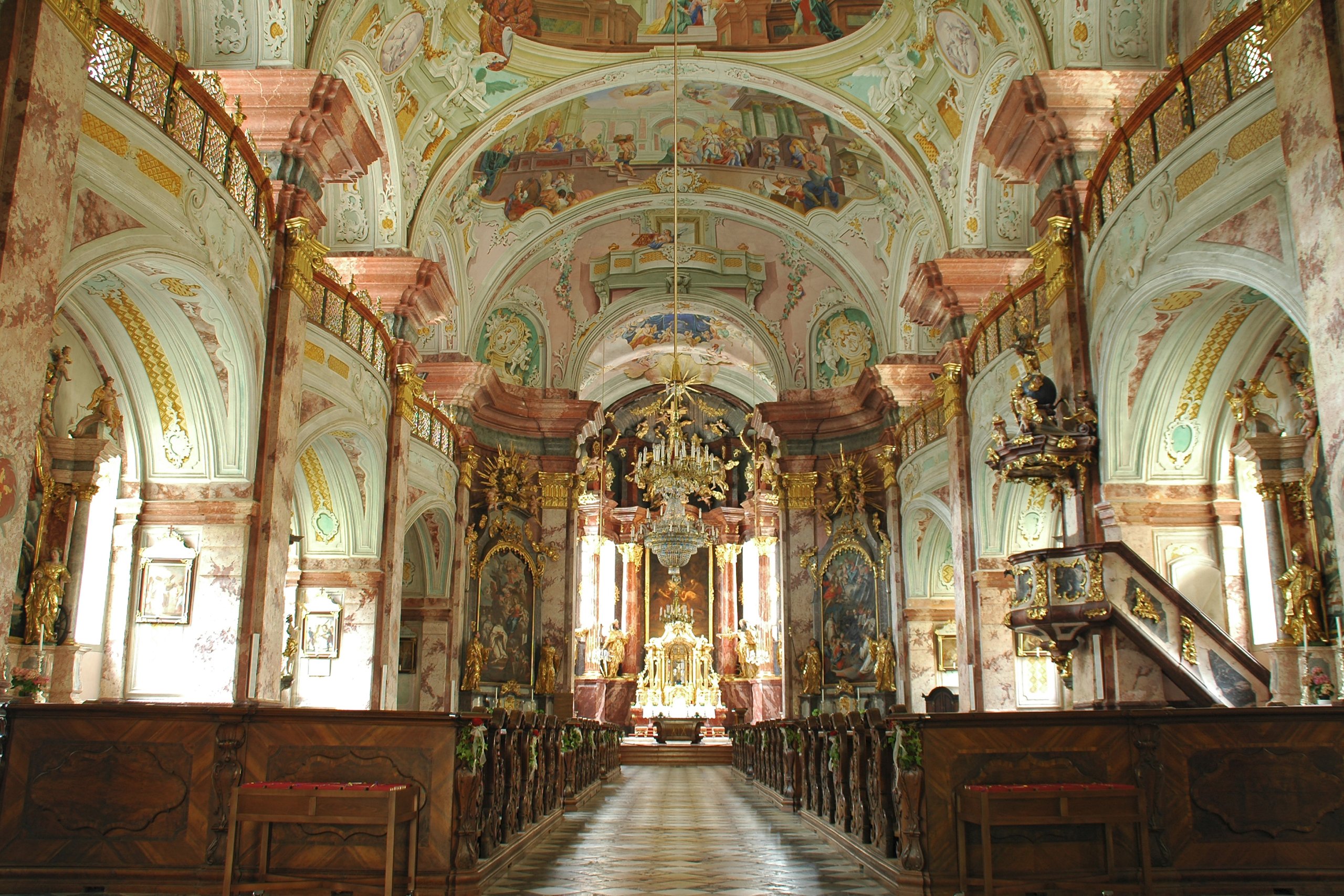
The originally Romanesque basilica of Rein was remodelled in the Baroque style between 1738 and 1747 and adorned with magnificent frescoes by Josef Adam Mölk. Since its restoration in 2014, the abbey church has shone once again in full splendour.
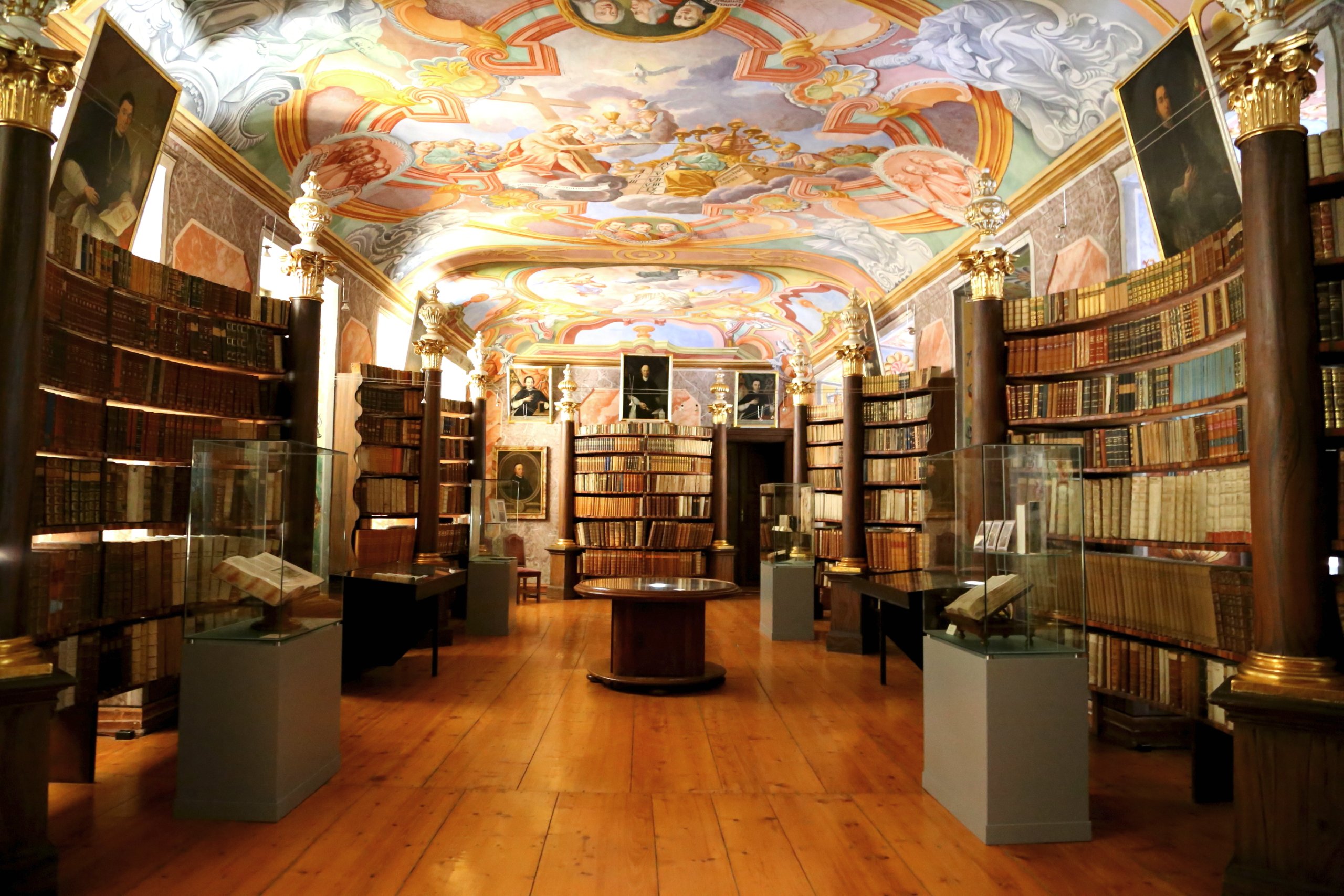
With more than 100,000 documents, manuscripts, and historic books, Rein possesses an immense historical treasure. Among the most notable works in the Baroque library hall are the Rein Pattern Book, a first edition of Emperor Maximilian’s chivalric novel Theuerdank, and the Kepler table from 1607.
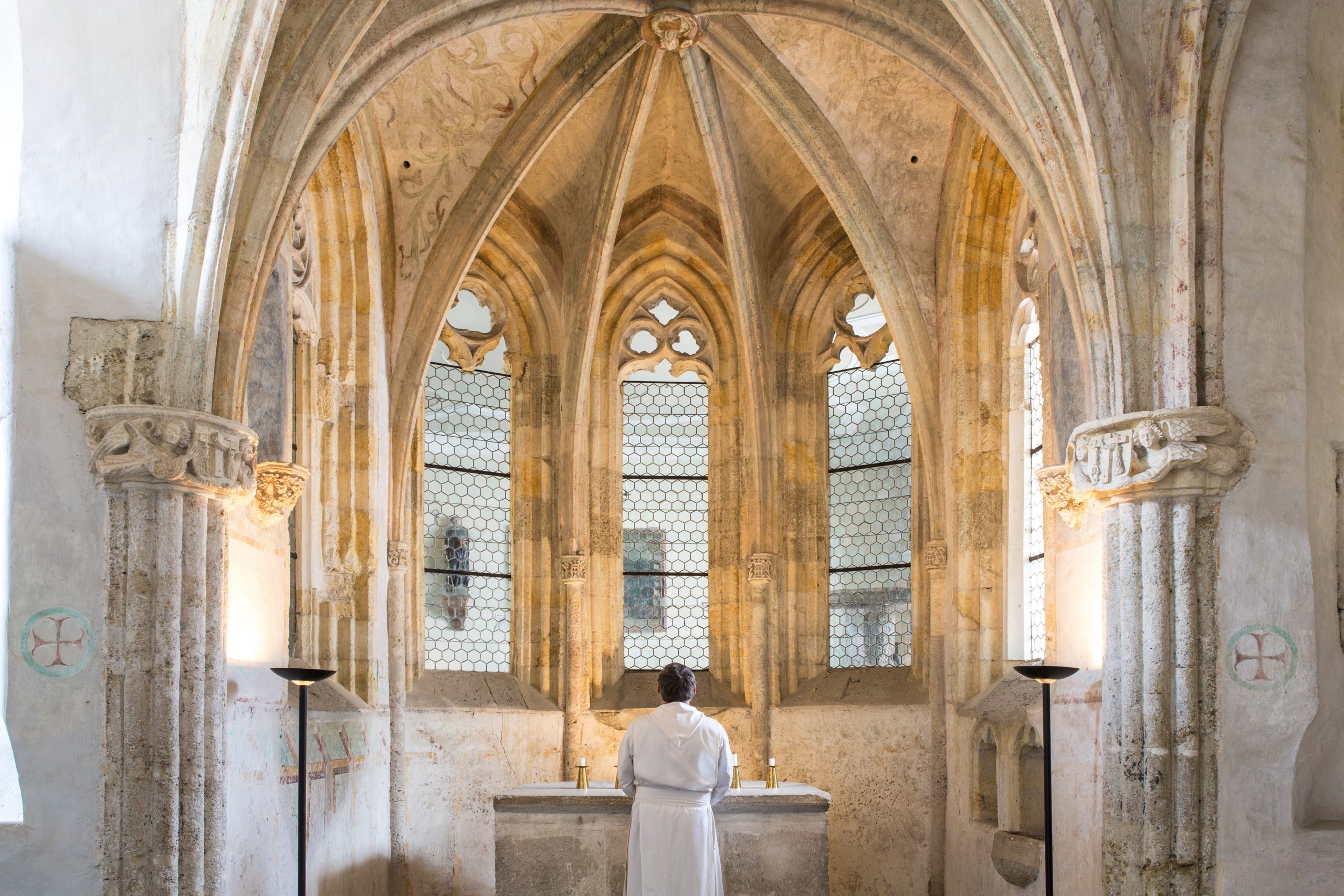
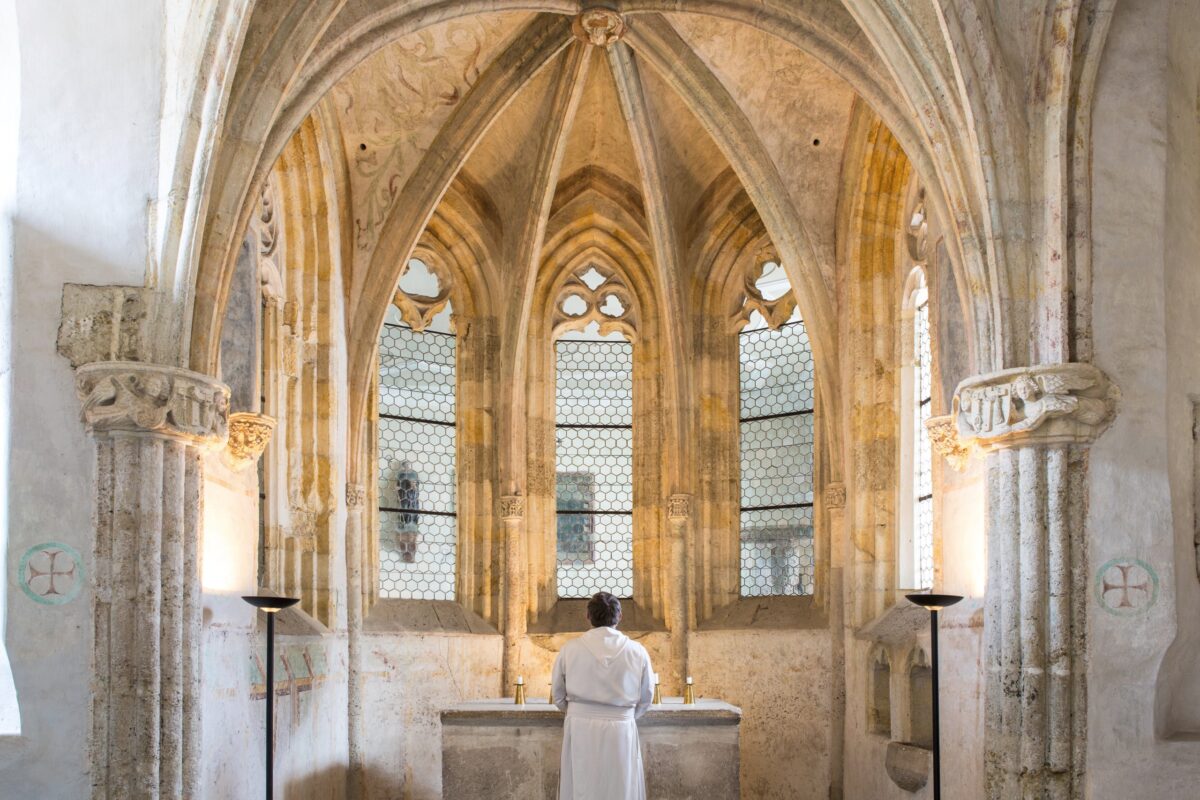
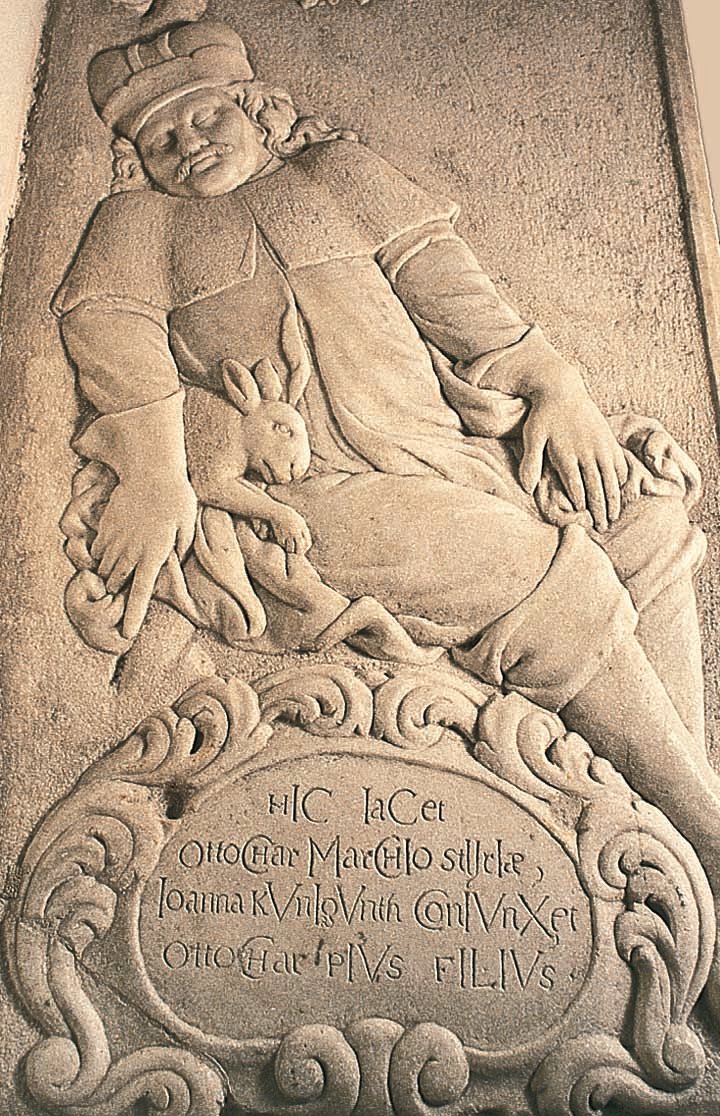
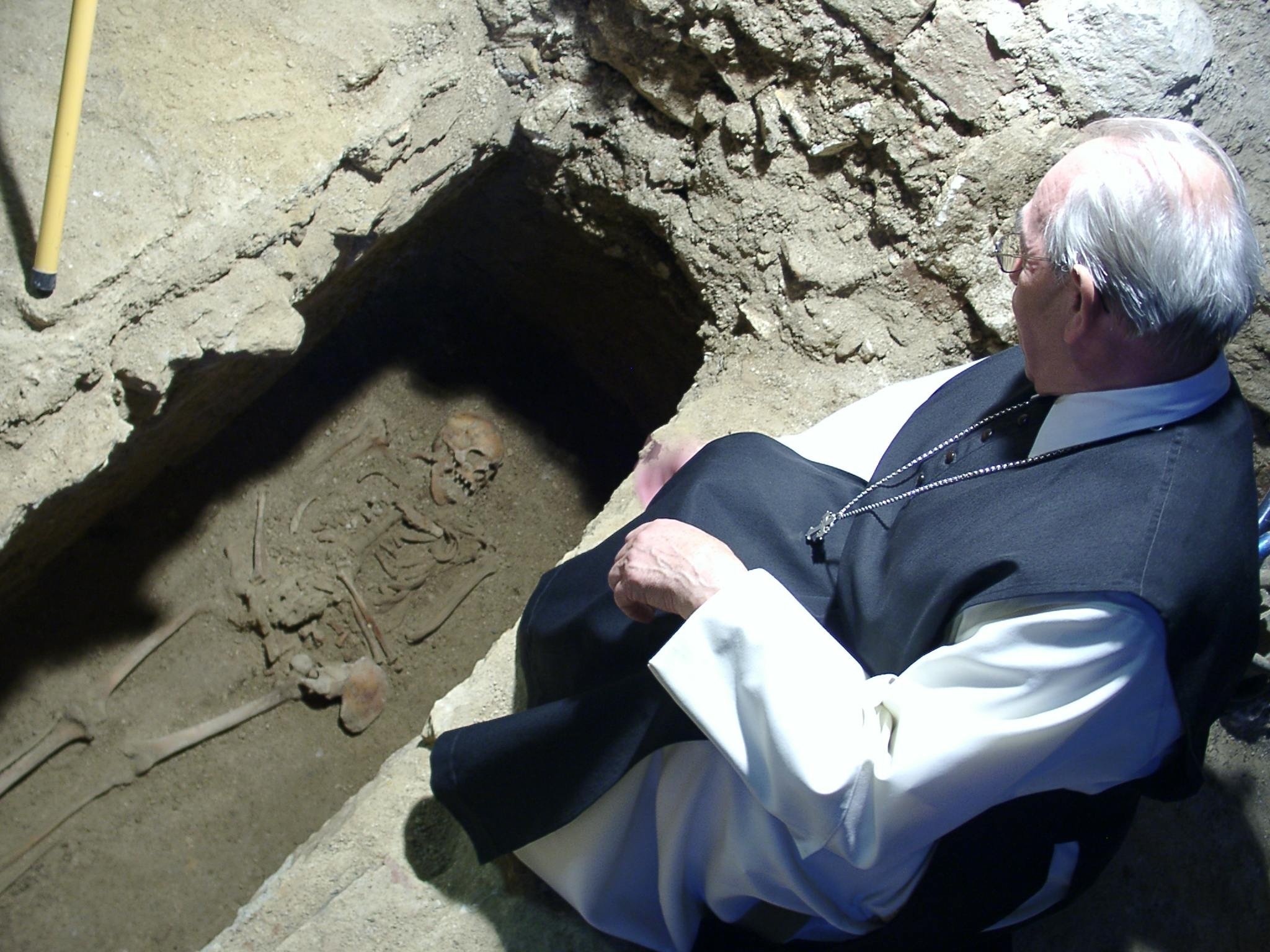
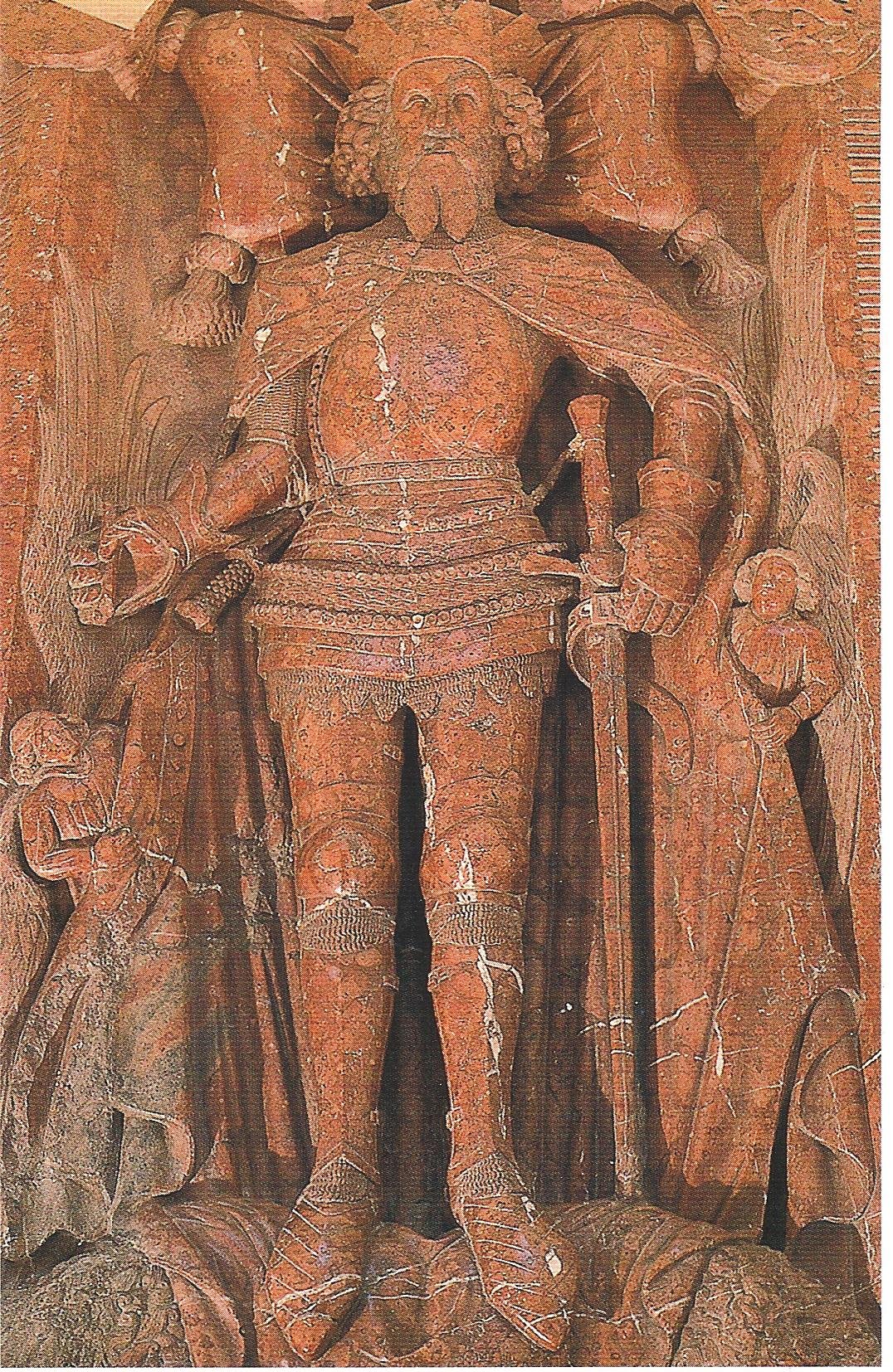
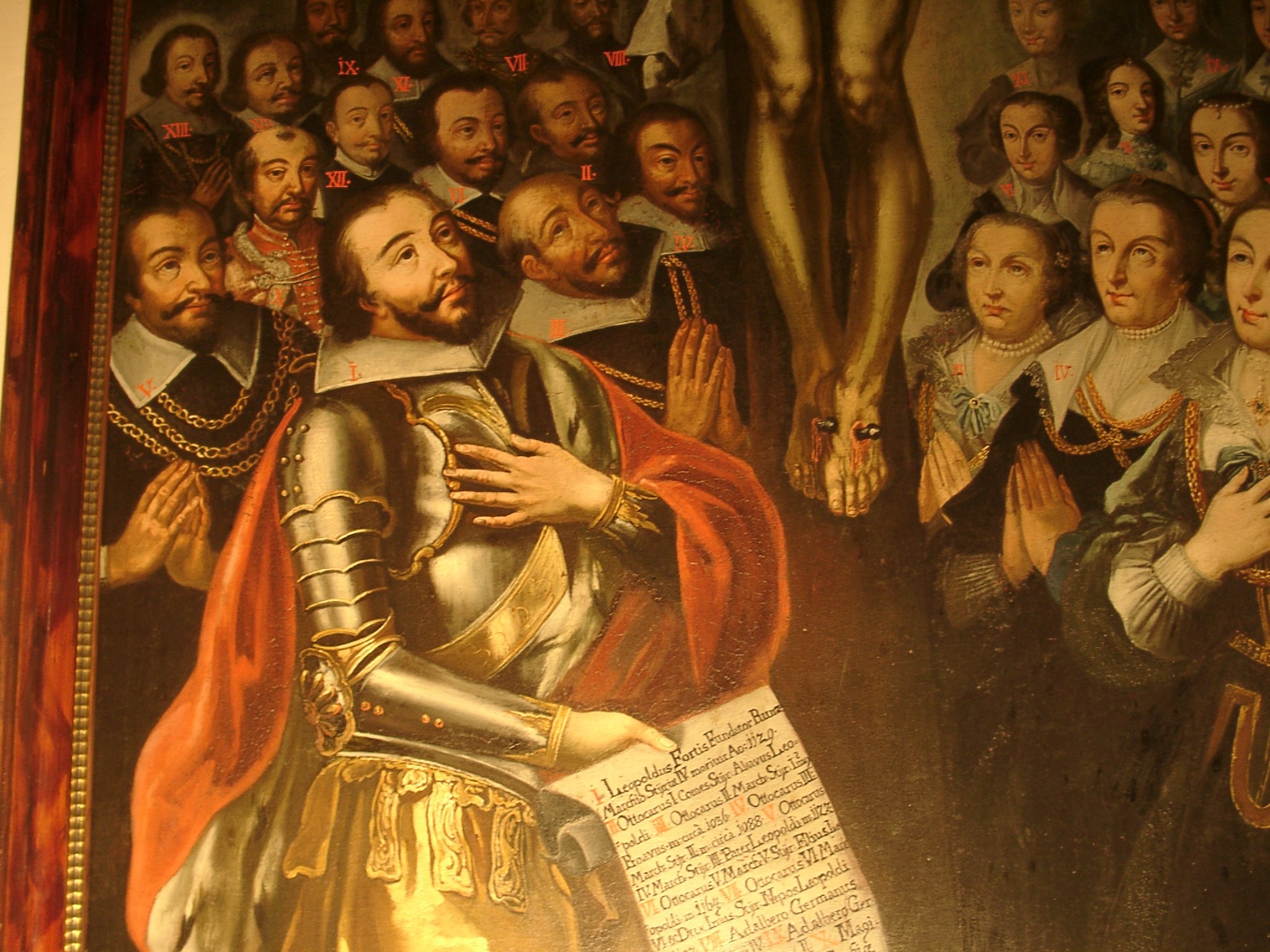
Rein Abbey was founded in 1129, with Margrave Leopold the Strong of Steyr donating the land on which it was built. The remains of the first “provincial governor” of Styria were discovered in the monastery in 2006 and can now be viewed in the Chapel of St. Mary.
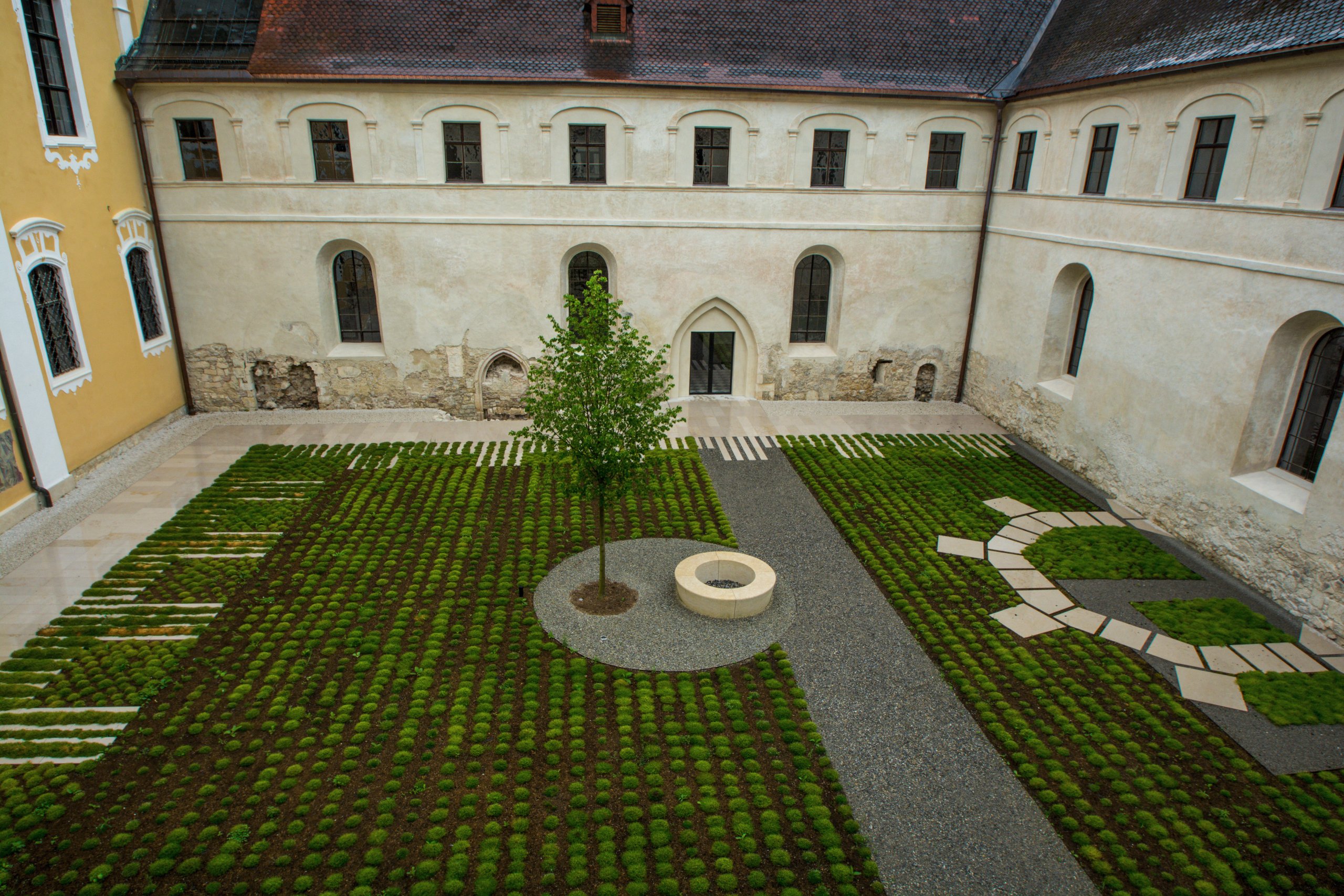
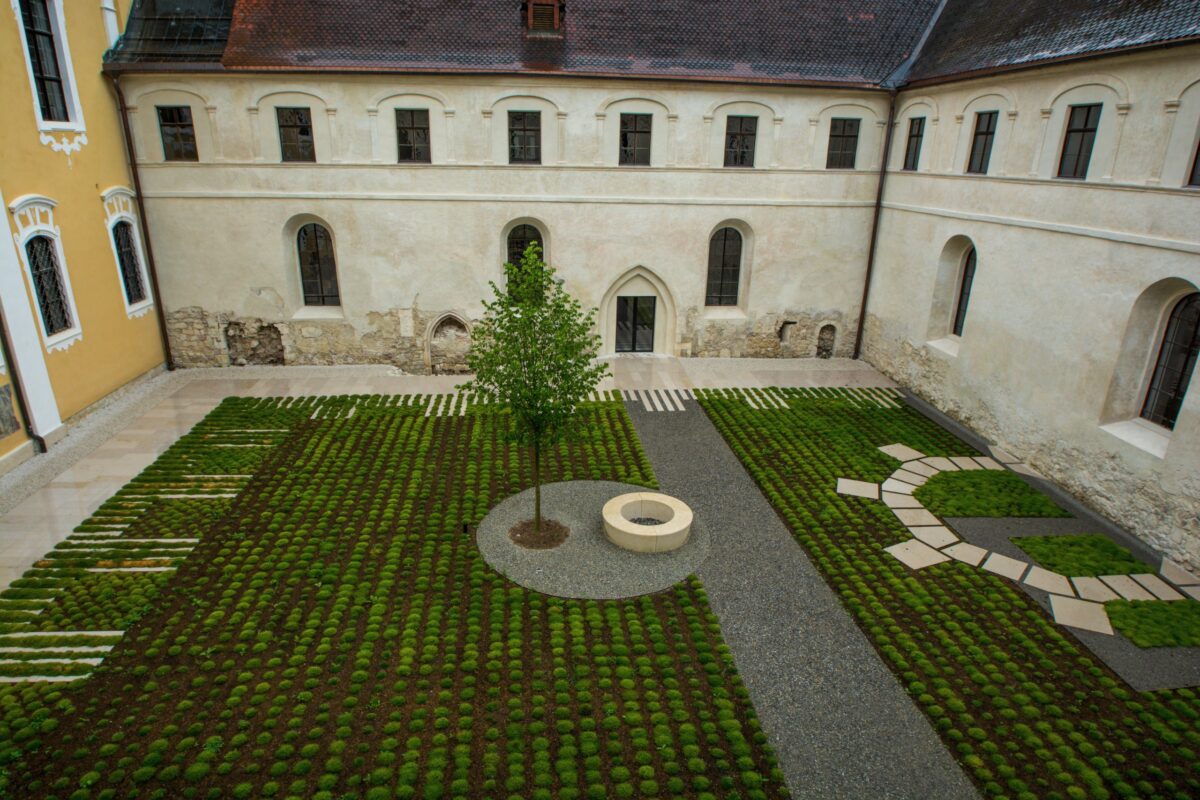
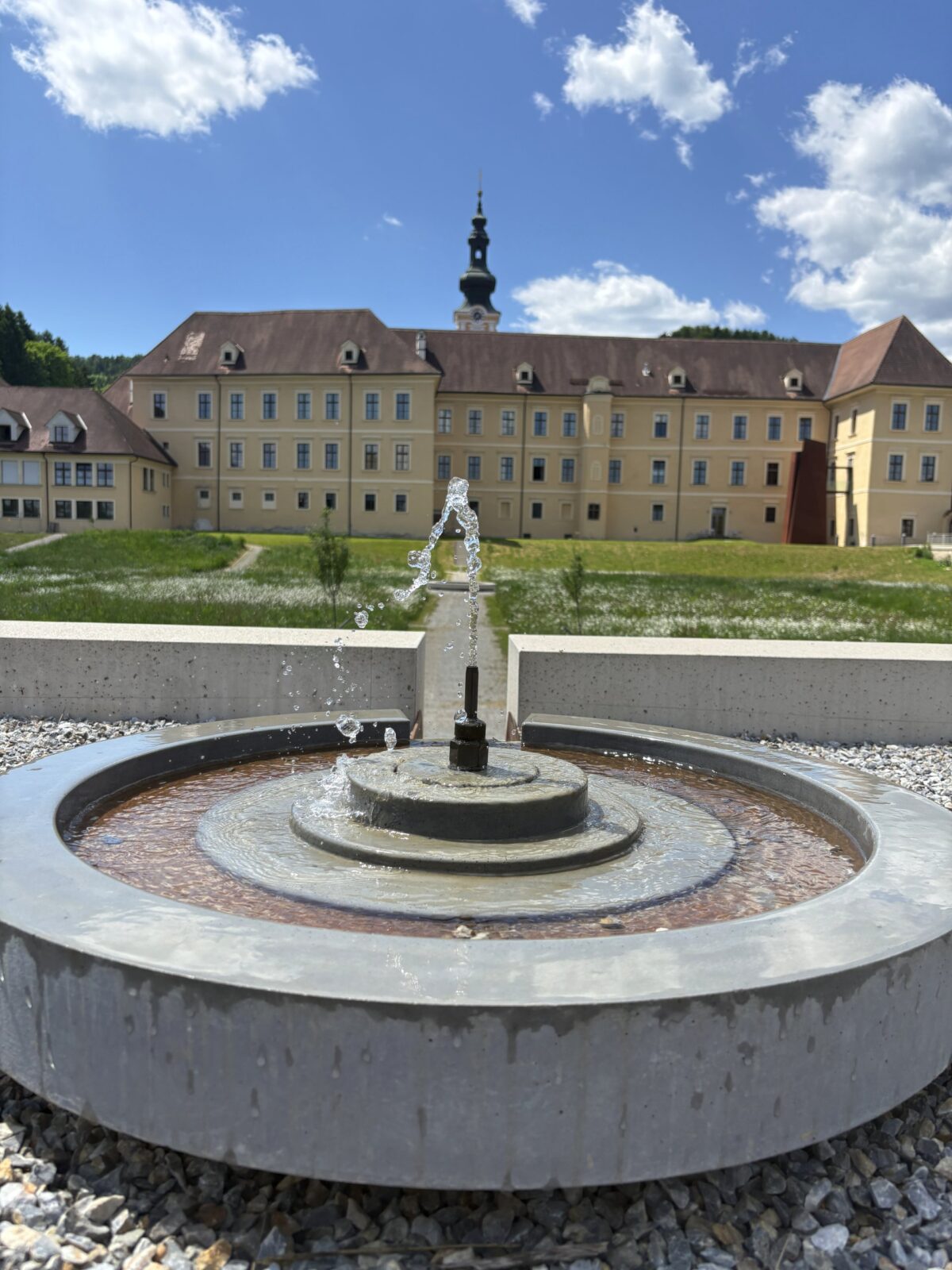
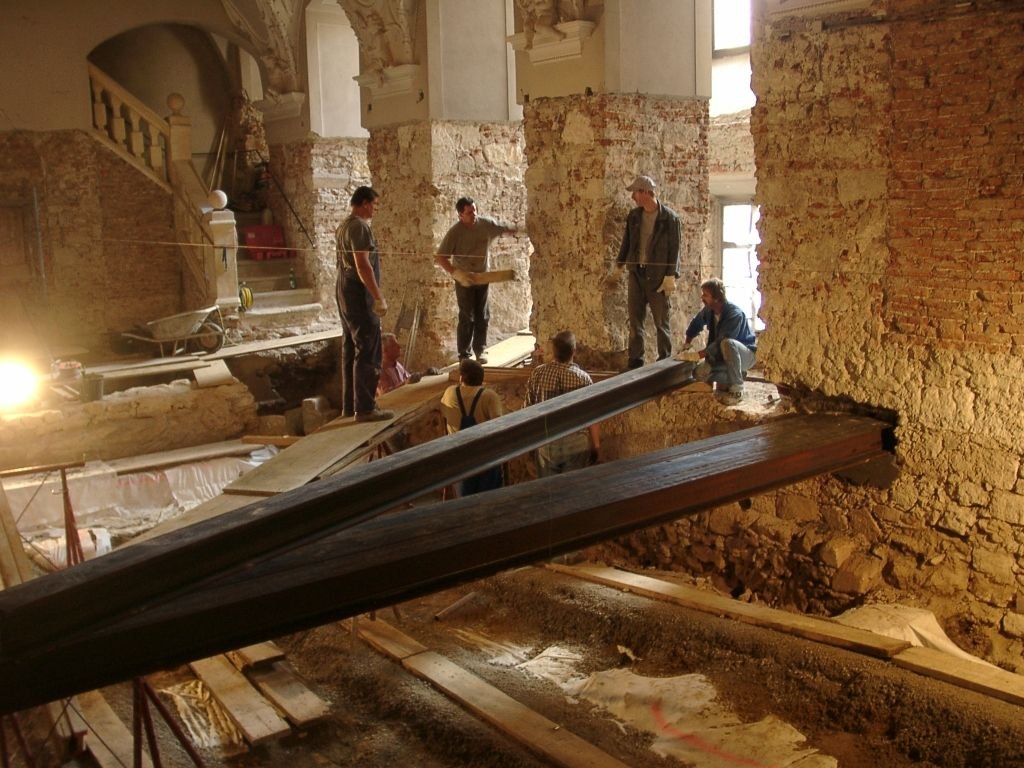
Cistercian monasteries were always built close to water, with the fountain serving as a central element. In Rein, it was located in the Old Convent, which has been gradually uncovered in recent years. As a result, many stone witnesses to 900 years of architectural history have once again become visible in this, the oldest courtyard in Styria.
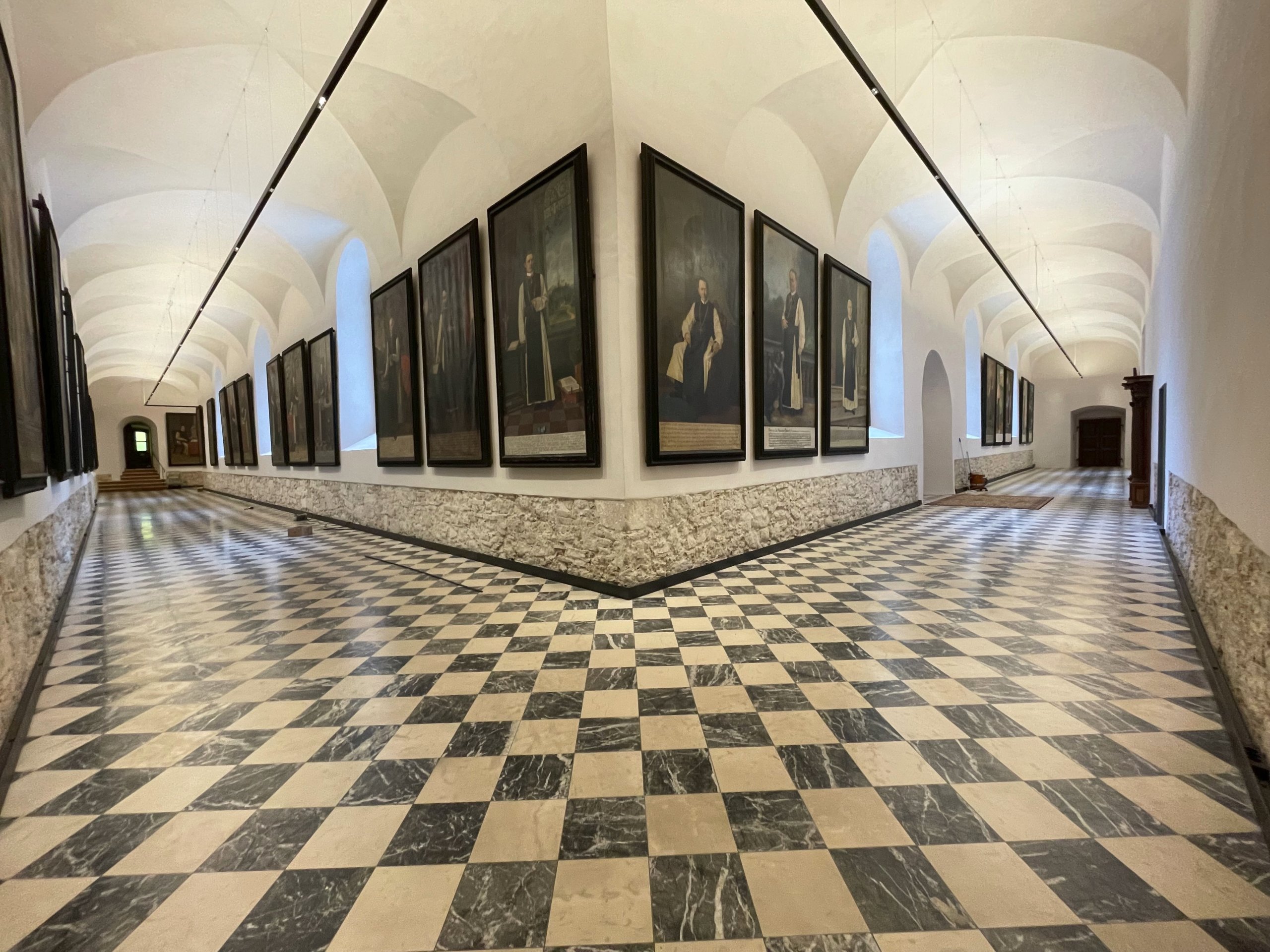
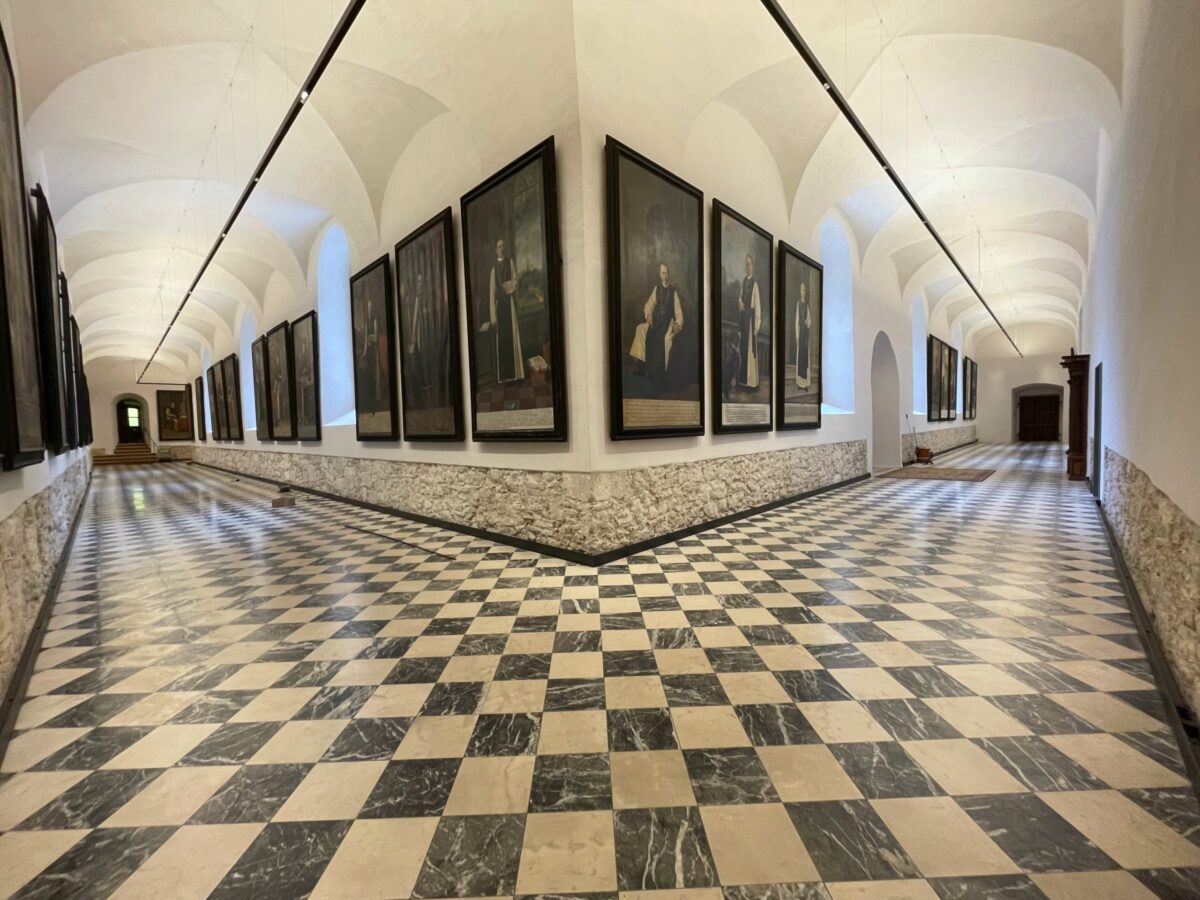
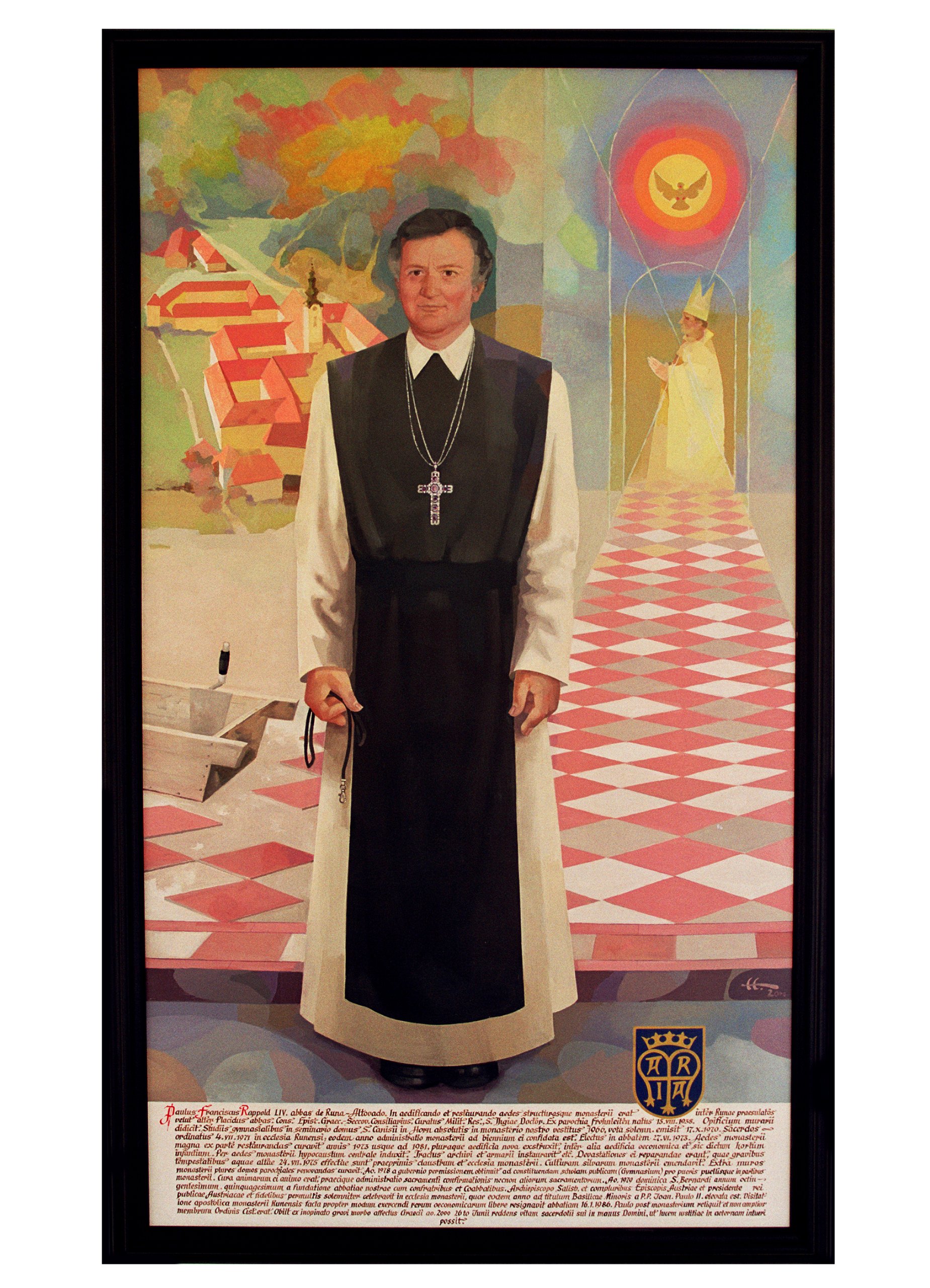
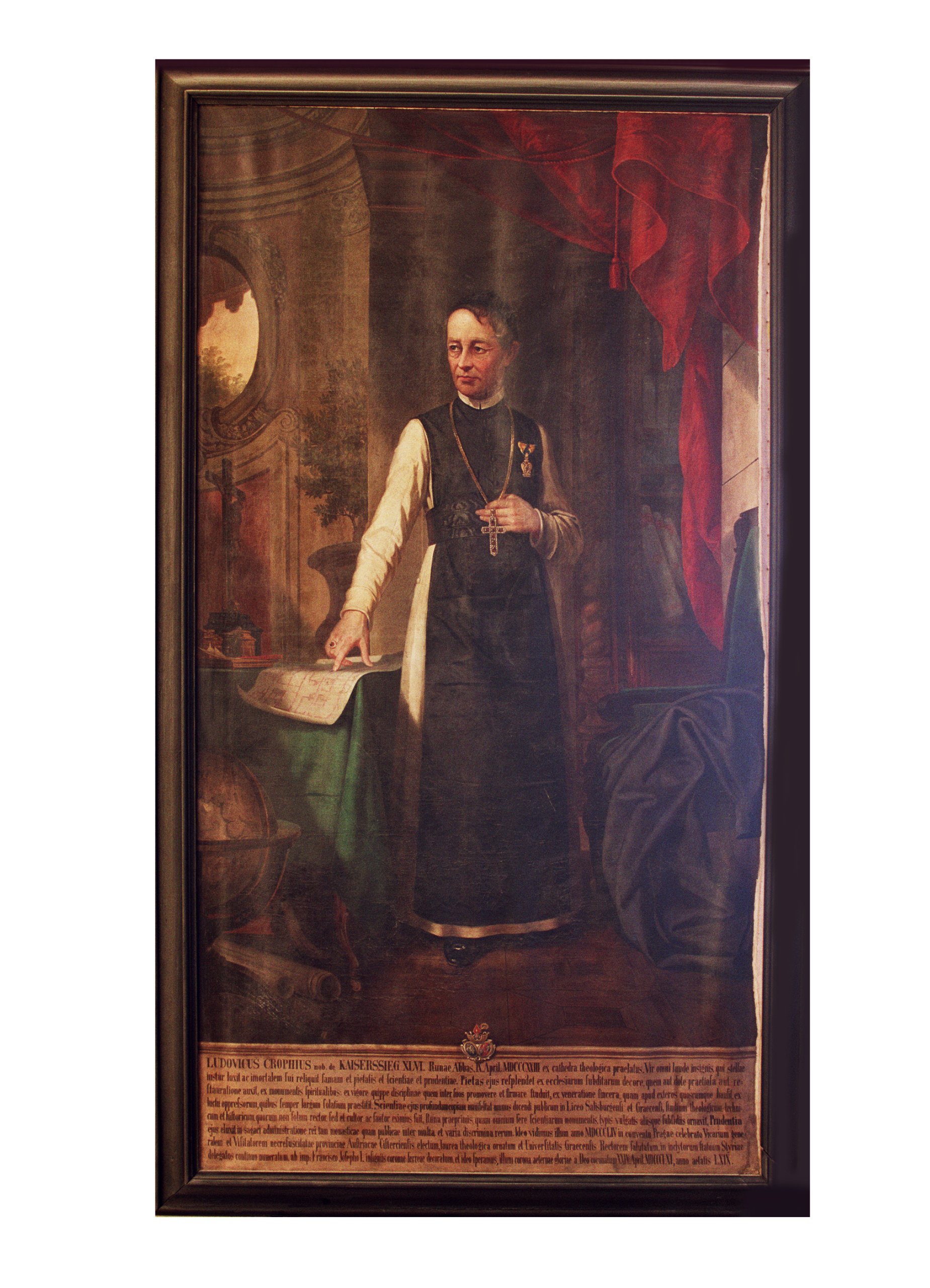
The cloister of Rein Abbey is particularly impressive following its renovation in 2022. With a length of more than 300 metres and direct access to the basilica, it was the centre of monastic life for centuries. Today, it houses the Gallery of Abbots, featuring larger-than-life portraits of all 57 abbots of Rein to date.
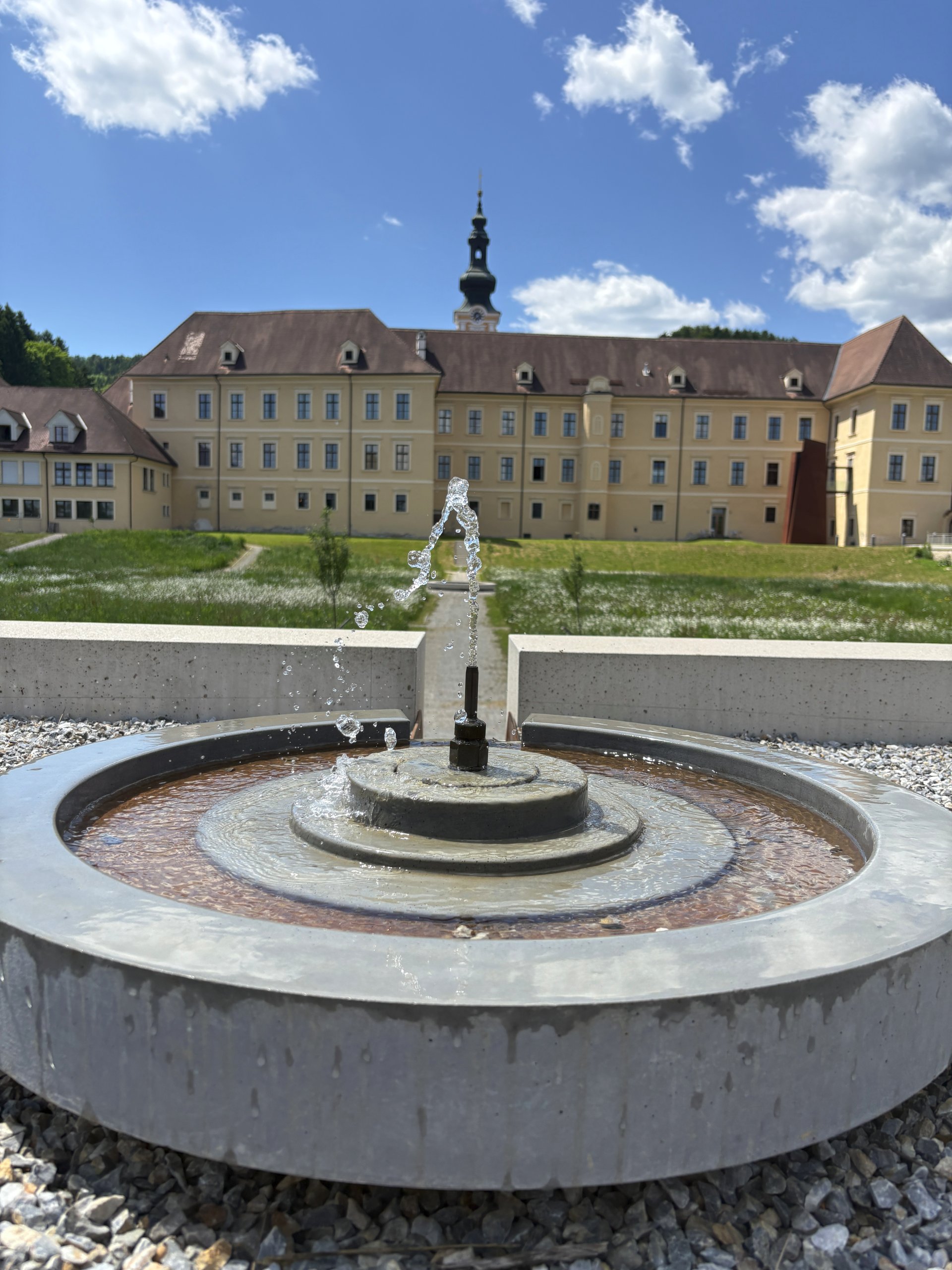
Within the monastery walls, the historic Baroque garden of Rein Abbey is currently being revived. Consisting of 16 square flower beds and an elegant orangery, the garden is intended to become a model flowering area for native biodiversity, showcasing the diversity of life. It will be accessible to visitors from 2025.
More than 700 Cistercian monasteries spread across Europe during the Middle Ages, and many regions were first developed through the work of the monks. The Cistercians were practical-minded and showed a strong sense of sustainability: monasteries were always built in wooded areas rich in water in order to ensure a secure basis for life. They cultivated fields and orchards and maintained townhouses in order to sell the goods they produced. Through their work, the order shaped Europe’s cultural landscape.
The EU project “Cisterscapes”, in which Rein Abbey plays a leading role, traces this historic pioneering achievement. In 2024, Rein Abbey was awarded the European Heritage Label.
www.cisterscapes.eu
The rule of the Cistercian order required abbots to meet once a year at the mother monastery for the General Chapter. In the Middle Ages, this gave rise to a network of routes connecting all 700 Cistercian monasteries and ensuring safe travel. This historic network is now being reactivated as part of the EU project Cisterscapes and developed into a 5,000 km cultural hiking trail through six European countries. Rein is also surrounded by a network of paths waiting to be discovered:
» Rein Prelates’ Trail (2.7 km)
» From Rein Abbey to the “Styrian Steffl” (10.1 km)
» Circular Hiking Trail Rein Abbey – Mühlbacherhütte (12.7 km)
» Circular Trail Rein Abbey – Plesch (14.4 km)
» Cistercian Trail Rein Abbey – Heiligenkreuz Abbey (281 km)
» Cistercian Trail Rein Abbey – Stična/SLO (243 km)
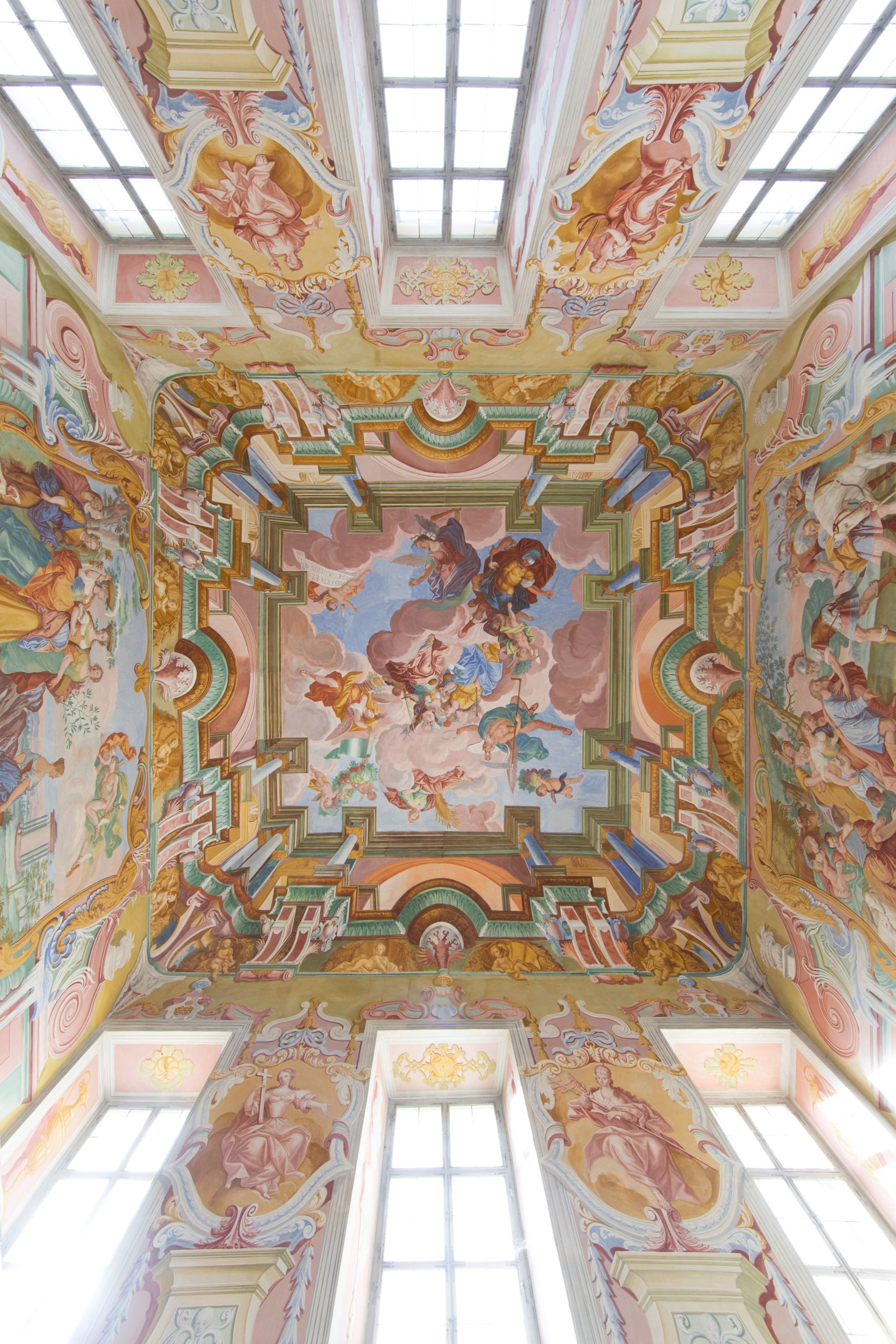
The historic halls, with their unique atmosphere, can also be rented. Whether for weddings, corporate events, concerts or workshops, there is a suitable room for every occasion.
Opening Hours
Monastery shop: Monday to Sunday from 10:00 a.m. to 12:30 p.m. and from 1:15 p.m. to 4:00 p.m.
Guided tours: March to January daily at 10:30 a.m. and 1:30 p.m.
There is also the opportunity to take part in the midday prayer at 12:00 noon.
Special guided tours on selected topics:
www.stift-rein.at/besuchen/fuehrungen
Guided tours for groups are available all year round from 9:00 a.m. to 5:00 p.m. by prior arrangement only:
gruppe@stift-rein.at
We accept Genuss Card and SteiermarkCard (excluding special tours).
Contact Details
Cistercian Abbey of Rein
Rein 1
8103 Gratwein-Straßengel
Distances and times are estimates based on straight-line distance from this location.
======================== SLOVENŠČINA ========================
We use cookies to make the website work. With your consent, we also use additional cookies for statistics and external media. You can change your selection at any time.